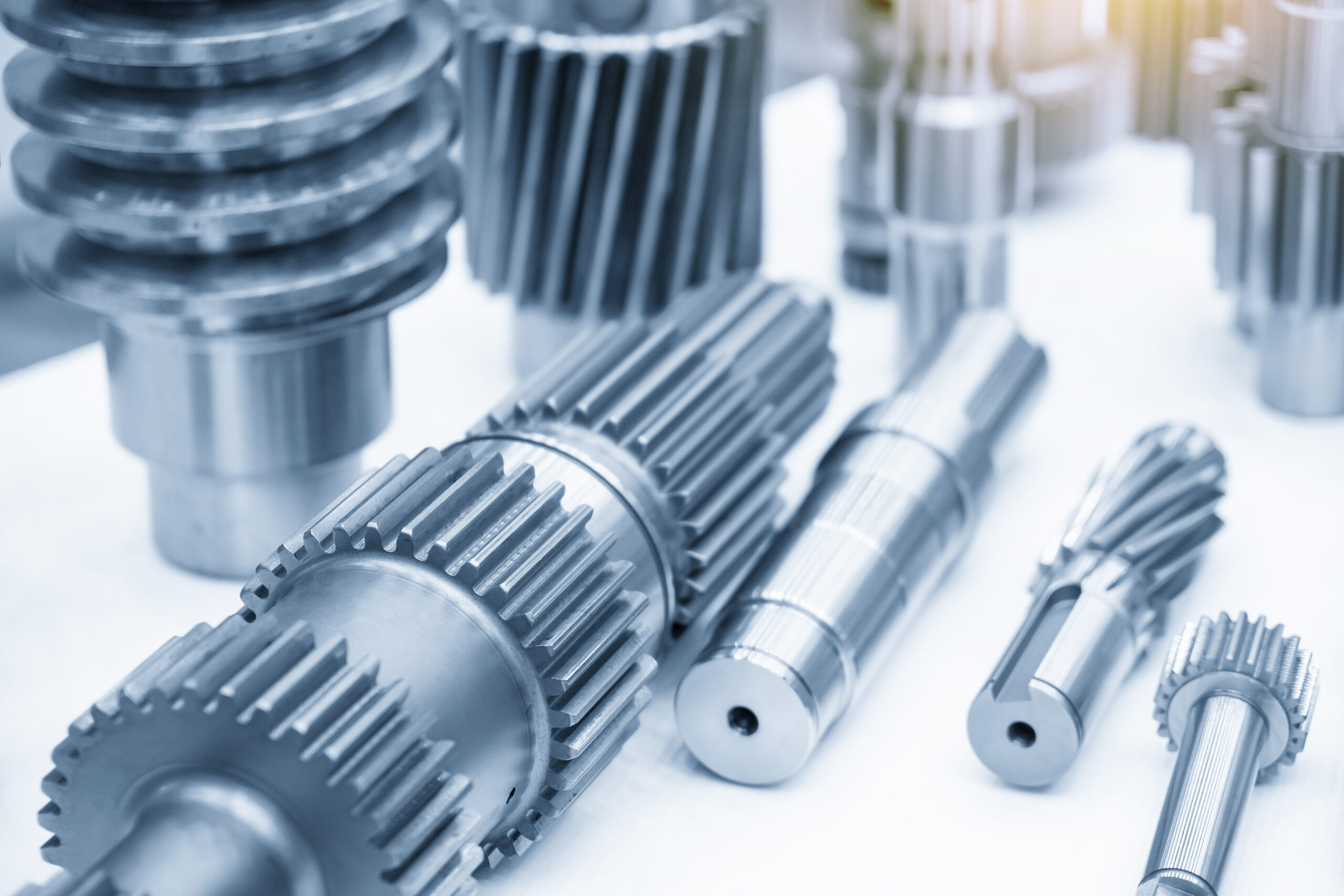
From gear to gears:
Evaluate calculations and verifications
Understand current design methods, evaluate load-carrying capacity analyses according to DIN and ISO standards, and assess gears and gear systems in terms of safety, efficiency, and optimization in a practical context.

That's what this seminar is about
From gear tooth geometry to load-carrying capacity analyses and efficiency, all the way to the evaluation and optimization of complete gear systems.
Gain a solid understanding of gear geometry
Classify different types of gear teeth, involute geometry, and manufacturing-related factors as the basis for reliable gear designs.

Evaluate load-bearing capacity analyses
Understand and evaluate methods, influencing factors, and required parameters for reliable verification in accordance with DIN and ISO standards.

Classifying damage mechanisms
Understand flank breakage, gray spots, and other detection methods, and evaluate their significance for the safe operation of gearings.

Optimizing materials & efficiency
Evaluate new gear materials, friction losses, and design optimizations in terms of efficiency, load-carrying capacity, and service life.
Contents & details
The technical content ranges from gear geometry to load-carrying capacity and optimization, and includes an examination of the entire gear system.
 Introduction
Gear geometry & manufacturing
Gear geometry & manufacturing
- Overview of various types of gearings
- Non-involute and involute gearings
- Generation and determinants of the involute
- Fundamentals of gear manufacturing
- Deviations from the ideal gear geometry
- Significance of geometry for function and performance
 Calculation
Energy efficiency & gears optimization
Energy efficiency & gears optimization
- Influences on the efficiency
- Macroscopic correction factors
- Microscopic correction factors
- Special features of gearbox optimization
- The impact of design changes on efficiency
- Optimization of gearings in the overall system
 Safeties
Load-bearing capacity, materials, and damage patterns
Load-bearing capacity, materials, and damage patterns
- Geometric gearing sizes
- Required material characteristics
- Evidence for the tooth root
- Verification for the tooth flank
- Proof against overeating
- New and improved detection methods
- Flank fracture and micropitting
- Use of plastic gears
- Advantages and unique features of new gear materials
 Overall dystem & Practice
From a gear to a complete gears
From a gear to a complete gears
- Overview of types of gearboxes and gear drives
- Applications and suitability of various gears
- Verification of the individual transmission components
- Viewing the transmission as a complete system
- Interactions with the individual entries
- Numerical analysis methods such as FEM and MKS
- Practical section using the MDESIGN gear libraries
- Modeling and calculation of a hybrid/electric drive
- Optimization of a spur gear
Understand the calculations. Optimize gears in a targeted manner.
Practical examples of drive modeling and gear optimization complement the theoretical fundamentals.
Dates & participation
Would you like to schedule a personalized appointment or a seminar for your company? Request a personalized seminar
Your own schedule. Your own priorities.
For teams and companies, the date and content can be customized.
Request a seminarRelated seminars
Advanced seminars on shafts, bearings, and shaft-hub connections in the powertrain.